


Alcoholic Nose: Symptoms, Causes, And Treatments
Alcohol addiction treatment programs combine evidence-based therapies and holistic gin blossom nose treatments. People receive tailored care to address the unique physical, emotional, and behavioral aspects of their AUD. Avoiding triggers such as spicy foods, temperature extremes, and alcohol can help prevent flare-ups.
Skincare Recommendations
Cryotherapy, which uses liquid nitrogen to freeze and remove tissue, is sometimes used for smaller areas of involvement. Each surgical approach has specific indications and requires expertise in both dermatologic surgery and rosacea management. Systemic treatments may be necessary for moderate to severe cases of rhinophyma or when topical treatments are insufficient. Oral antibiotics, particularly tetracycline-class drugs like doxycycline or minocycline, are commonly prescribed for their anti-inflammatory properties. Later, this condition advances to vascular rosacea, which involves swollen blood vessels and redness.
Unmatched Addiction Care in Colorado.
- Your journey to better health and confidence can begin with a single phone call.
- Surgical treatment can remove tissue overgrowth, reshape disfigured noses, and minimize the appearance of enlarged blood vessels.
- These medications provide symptomatic relief but must be used regularly to maintain benefits.
- We also have many resources available to help you through every step of the recovery process.
- Alcohol is a vasodilator, which means it increases blood flow to the skin’s surface, causing redness and inflammation.
When the capillaries on the surface of the nose break they can then appear purple. Rhinophyma typically develops gradually, often over several years, as a progression of untreated or poorly managed rosacea. Early signs include persistent facial flushing and redness, similar to other forms of rosacea.
Top 100 Dermatology Blog
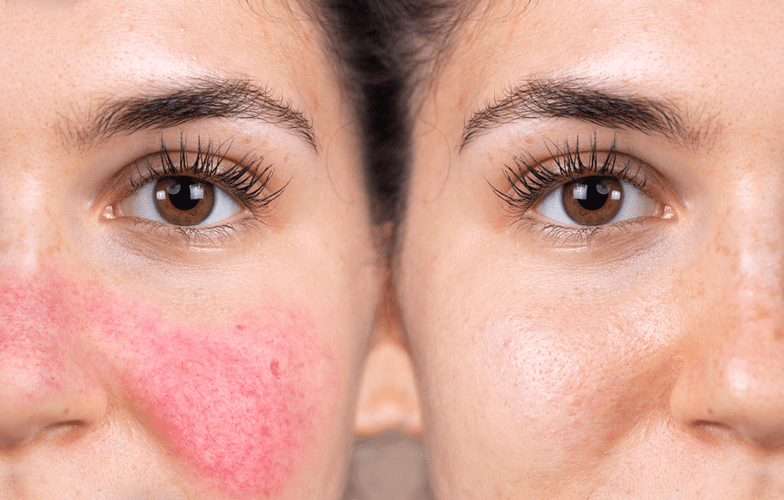
While genetic predisposition cannot be changed, various lifestyle modifications can help prevent rosacea flares and potentially slow the progression to rhinophyma. Electrosurgery uses electrical current to remove tissue and can be effective for moderate cases of rhinophyma. Traditional surgical excision with scalpels may be necessary for very severe cases where large amounts of tissue need to be removed. Rhinophyma typically progresses through several stages, beginning with mild redness and sensitivity that may come and go. Early signs often include persistent redness of the nose, increased sensitivity to touch or temperature changes, and occasional burning or stinging sensations. Once acne rosacea progresses to rhinophyma, the skin covering the nose increases in size and the tip of the nose expands.
How Alcoholic Nose Can Point to an Addiction at Hand
Before starting treatment, each person will undergo an assessment to determine which levels of care and types of treatment would support their goals. Inpatient treatment may be necessary if you cannot stop drinking on your own. Medication can also be used to help manage withdrawal symptoms and cravings.
Polarized sunglasses can reduce reflected UV exposure and may help prevent eye-related rosacea symptoms. Low-dose doxycycline (40mg daily) has been specifically approved for rosacea treatment and provides anti-inflammatory benefits without antimicrobial effects. This reduces the risk of developing antibiotic resistance while maintaining therapeutic benefits. However, sun exposure remains a significant risk factor regardless of geographic location.
Header – For Patients – Part 1
Since sun exposure is one of the most significant triggers for rosacea, comprehensive sun protection is essential. This includes using broad-spectrum sunscreen with SPF 30 or higher daily, even on cloudy days. Physical sunscreens containing zinc oxide or titanium dioxide are often better tolerated than chemical sunscreens.
The primary factor in developing rhinophyma is genetic predisposition to rosacea. This skin condition tends to run in families and affects certain ethnic groups more frequently than others. Texture changes are also prominent, with the skin becoming thick and bumpy, often described as having an “orange peel” appearance. Visible blood vessels, called telangiectasias, become prominent across the surface of the nose. In advanced cases, the nostrils may become distorted due to the tissue overgrowth, and the tip of the nose can become significantly enlarged. The condition typically presents with several distinctive features that develop progressively over months Drug rehabilitation or years.

Laser resurfacing is another popular method for getting rid of gin blossoms. It utilizes laser technology to remove the damaged skin layers and stimulate collagen production. Rhinophyma does not resolve on its own and progresses without intervention. Changes to the nose, including thickening and disfigurement, can become permanent if left untreated. Treatments aim to improve the nose’s appearance, reduce symptoms, and prevent further progression.
If a person drinks too much alcohol, their nose might become bright red if they suffer from rhinophyma. The skin can become inflamed and turn purple or red depending on the amount of blood in that body area. This is because a lot of blood rushes into the area and swells as different bumps begin to grow. An alcoholic nose is not a true diagnosis of alcoholism or even a sign of it in many cases.
While anyone can develop rhinophyma, it’s most commonly reported in white males, especially over age 50. Experts theorize that androgenic hormones found in males may trigger rhinophyma. Despite https://ecosoberhouse.com/ widespread belief, excessive alcohol consumption does not directly cause rhinophyma. Rhinophyma occurs equally in individuals who consume alcohol and those who do not. Because alcohol dilates blood vessels and damages the vascular system, it can aggravate rhinophyma and other types of rosacea.
For early-stage rhinophyma or to prevent progression, topical medications can be highly effective. Metronidazole gel or cream is commonly prescribed as a first-line treatment for rosacea and can help reduce inflammation and redness when used consistently. Various environmental factors can trigger or worsen rosacea symptoms, potentially contributing to rhinophyma progression.